
Vision Therapy for Concussion and Head Injury: How We Can Help
Blurry or double vision, dizziness, light sensitivity, and focusing difficulty can linger long after a head injury. Neuro-rehabilitative vision therapy can help address them.
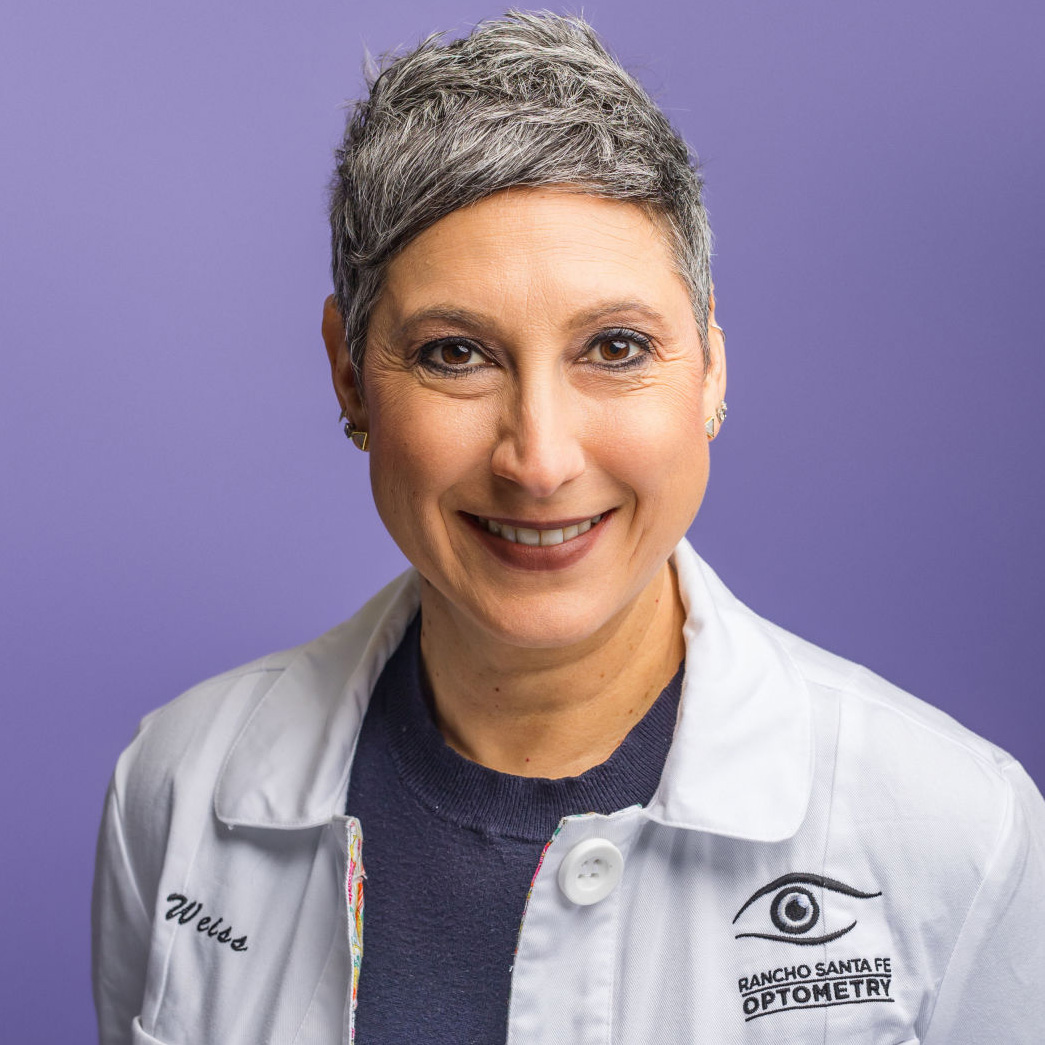 Last reviewed: Dr. Lisa Weiss, O.D. | 10/05/2026
Quick Answer
After a concussion or head injury, vision problems such as blurry vision, double vision, dizziness, light sensitivity, and focusing difficulty can linger. At Rancho Santa Fe Optometry, neuro-rehabilitative vision therapy can help address these visual issues. Care can include specialty tinted lenses and syntonic light therapy when appropriate, in-office vision training and coordination with other specialists. Call (858) 465-5136 to request an appointment.
Concussions and head injuries, even those that seem minor, can significantly impact vision. These injuries can disrupt the brain’s ability to process visual information, leading to balance, coordination, and eye movement challenges.
Symptoms may include double vision, headaches, difficulty focusing, light sensitivity, and reading or computer use challenges. These symptoms can persist long after other concussion symptoms have subsided, impacting daily activities and quality of life.
Rancho Santa Fe Optometry provides vision therapy and neuro-optometric care for patients in Rancho Santa Fe and San Diego County. Learn more about Dr. Weiss, our team, neuro-optometric rehabilitation, vision therapy after stroke, and migraines and vision therapy.
Understanding the Impact
The brain is intricately linked to the visual system; a concussion or head injury can interfere with this connection. The result? Visual dysfunction that might not be immediately noticeable. It’s common for individuals to experience visual disturbances such as:
These issues can be debilitating, but there’s hope through targeted therapy.
How Vision Therapy Can Help
Vision therapy is a form of neurological rehabilitation designed to improve the coordination and functionality of the eyes and brain. At Rancho Santa Fe Optometry, our approach to vision therapy goes beyond the basic treatment of eye disorders. We tailor our therapy programs to address the unique challenges presented by concussions and head injuries. Our goal is to improve visual function and to facilitate a return to normal daily activities.
Through a series of personalized exercises and specialized equipment, vision therapy can help retrain the brain to process visual information more effectively.
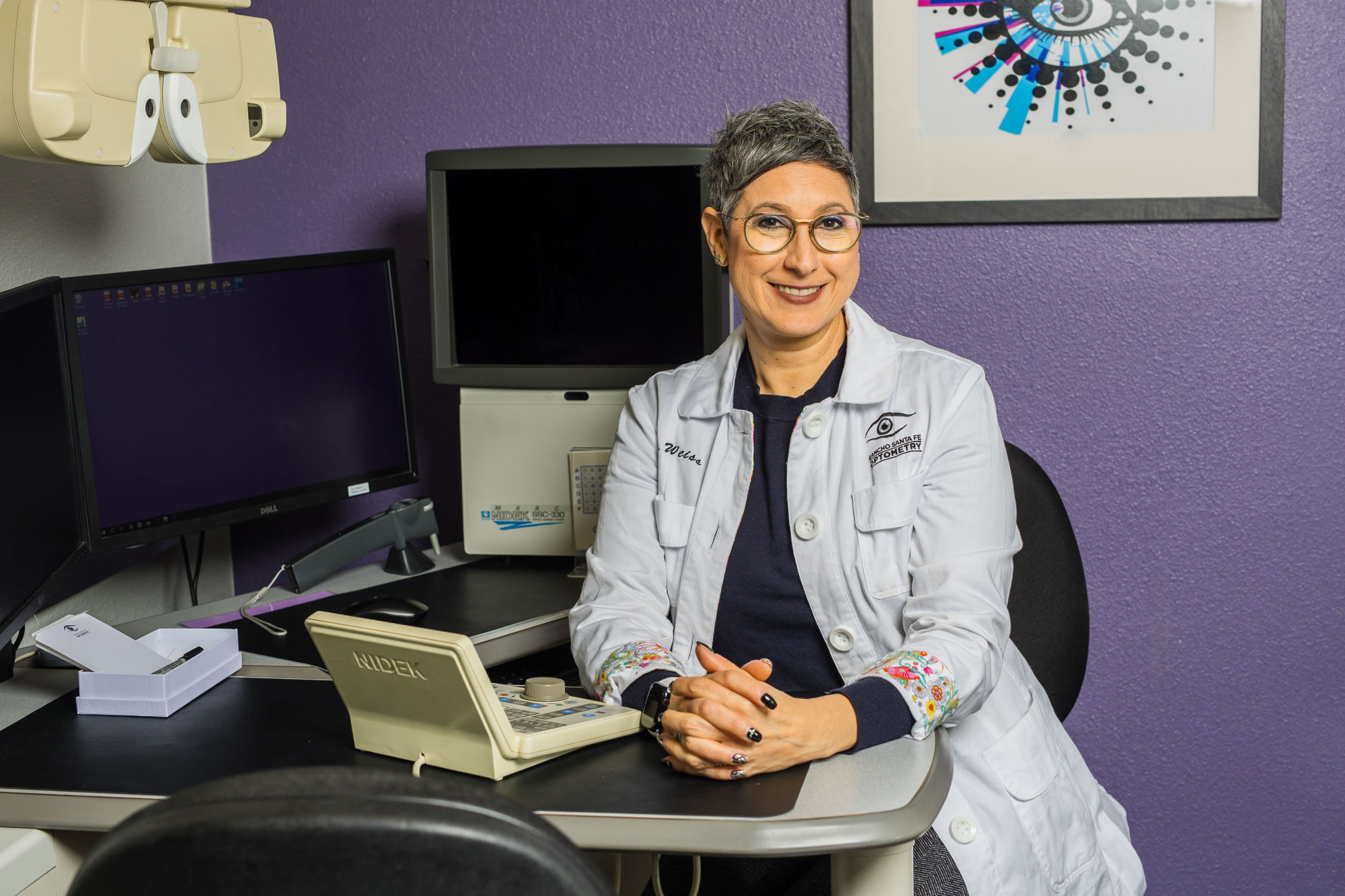
Patients often experience improvements in:

Specialty Tinted Lenses for Symptom Relief
Custom-tinted lenses, such as FL-41 or TheraSpecs, are often prescribed to filter harmful light wavelengths that trigger migraines, light sensitivity, or post-concussion discomfort. Available with or without prescription, in frames or clip-ons, these lenses are tailored to your nervous system’s response, helping alleviate symptom severity.
Syntonic Light Therapy Integration
We incorporate syntonic light therapy, using specific wavelengths of light to balance the nervous system. This passive therapy reduces inflammation, boosts cellular energy (ATP), and supports recovery in three phases. It’s particularly effective for post-concussion symptoms like fatigue, anxiety, or visual stress.
5 weeks
10-20 weeks
For daily life
A Multidisciplinary Approach
We recognize that recovering from a concussion or head injury often requires teamwork. That’s why we work closely with other medical specialists, including speech, occupational, and physical therapists, to provide a comprehensive treatment plan. We also integrate holistic wellness strategies, such as:
Energy Management
Use the “paper clip” analogy to track daily energy stores, preventing cognitive/physical drain.
Sleep Hygiene
Improve rest with bedtime rituals, melatonin, or essential oils (e.g., lavender, chamomile).
Vagus Nerve Regulation
Practice humming, diaphragmatic breathing, or cold exposure to calm anxiety, dizziness, or nausea.
Detox and Diet
Support healing with anti-inflammatory foods, hydration, and supplements like Vitamin C or magnesium to reduce brain inflammation and boost immunity.
This multidisciplinary approach ensures that you address all aspects of your recovery, paving the way for a more complete and efficient healing process.
Dr. Weiss graduated from Pacific University College of Optometry and then completed a residency in Vision Therapy and Rehabilitation at the SUNY State College of Optometry in New York City. Meet Dr. Weiss
Frequently Asked Questions
What visual problems can follow a concussion or head injury?
A concussion or head injury can disrupt how the brain processes visual information and coordinates eye movements, affecting vision, balance, and everyday activities. Common symptoms include:
- Blurred or double vision
- Difficulty focusing or tracking moving objects
- Headaches and light sensitivity, including discomfort or migraines triggered by bright environments
- Trouble reading or using a computer
- Dizziness, nausea, or a rocking sensation
- Balance problems, clumsiness, or poor hand-eye coordination
- Visual processing difficulties, such as trouble interpreting what you see or remembering visual sequences, sometimes accompanied by brain fog
These symptoms can make work, school, and routine tasks more challenging and may persist even after other concussion symptoms have subsided.
How can vision therapy help after a concussion or head injury?
Vision therapy is a form of neurological rehabilitation designed to improve how the eyes and brain work together. At Rancho Santa Fe Optometry, personalized therapy programs use targeted exercises and specialized equipment to address visual challenges following a concussion or head injury and help patients return to daily activities more comfortably.
Depending on your symptoms and needs, vision therapy may help improve:
- Eye tracking and focusing to support reading, computer use, and following moving objects.
- Eye teaming, helping the eyes work together to address binocular vision dysfunction (BVD) and associated symptoms such as double vision, headaches, and neck or shoulder discomfort.
- Visual processing speed and accuracy, making it easier to interpret and respond to what you see.
- Visual perception and memory, including recognizing differences between objects, finding items against busy backgrounds, and recalling visual information.
- Balance, coordination, and spatial awareness, supporting more comfortable movement and better hand-eye coordination.
- Tolerance for light and motion, potentially reducing light sensitivity, dizziness, nausea, and motion sickness.
Treatment is tailored to each patient’s visual difficulties, with the goal of improving visual function and comfort at work, school, and home.
What are specialty tinted lenses used for after a concussion or head injury?
Specialty tinted lenses, including FL-41 lenses and options from TheraSpecs, filter selected wavelengths of light to help manage light sensitivity, migraine-related discomfort, and visual discomfort following a concussion. At Rancho Santa Fe Optometry, lens recommendations are tailored to your symptoms and response to different tints. Options include prescription and nonprescription lenses, as well as frames and clip-ons.
What is syntonic light therapy?
Syntonic light therapy involves viewing specific colors or wavelengths of light. Rancho Santa Fe Optometry incorporates this passive approach into some personalized care plans with the goal of addressing post-concussion visual stress and related symptoms.
The practice describes a phased program that includes an initial five-week preparation period, 10-20 weeks focused on visual concerns, and a subsequent phase supporting daily activities. Recommendations and timing depend on your evaluation and treatment plan. Evidence supporting syntonic light therapy for concussion recovery is limited, and its benefits remain uncertain.
Do you take a multidisciplinary approach to concussion-related vision care?
Yes. Recovering from a concussion or head injury can involve several areas of care. Rancho Santa Fe Optometry collaborates with other healthcare professionals, including speech, occupational, and physical therapists, to help coordinate a comprehensive treatment plan.
Alongside vision therapy, care discussions may address energy management, sleep habits, relaxation practices, and nutrition. The goal is to support your visual needs within your broader recovery plan and help you participate more comfortably in daily activities.
How do I start vision therapy for a concussion or head injury at Rancho Santa Fe Optometry?
Start by scheduling an evaluation at Rancho Santa Fe Optometry. Call (858) 465-5136, use the website’s contact page, or request an appointment online. An evaluation can help identify your visual difficulties and determine whether a personalized vision therapy program may be appropriate.
Take the First Step Toward Recovery
If you suspect that you or a loved one may be experiencing vision problems due to a head injury, scheduling an appointment with an eye doctor that provides vision therapy is essential. At Rancho Santa Fe Optometry, we’re committed to helping our patients overcome the challenges associated with concussions and head injuries. Our team is here to guide you through the recovery process, offering support and expertise every step of the way.
Our tailored programs, combining vision therapy, specialty tints, and light therapy, have helped patients significantly reduce symptom severity and duration, regain balance, and return to work, school, or driving with confidence.
Don’t let a concussion or head injury hold you back.